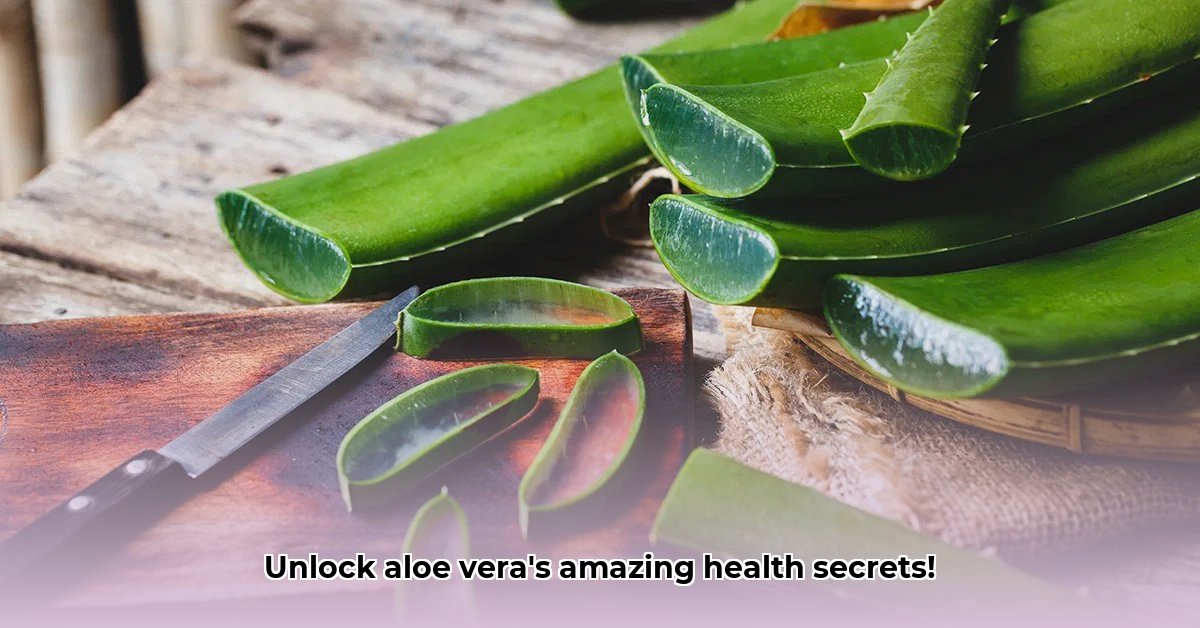
Benefits of Aloe Vera: A Natural Remedy for Skin, Digestion, and More
Aloe vera, a succulent plant with a rich history of medicinal use, offers a surprising array of potential benefits for your health and well-being. From soothing minor burns to potentially aiding digestion, this versatile plant is a valuable addition to any home. However, it's crucial to remember that while anecdotal evidence and traditional uses are extensive, scientific research on many of its purported benefits is still ongoing. Always consult a healthcare professional before using aloe vera internally or for serious health conditions.
Aloe Vera for Skin Health: Nature's First-Aid Kit
Aloe vera's most widely known benefit is its ability to soothe and heal irritated skin. The gel within its leaves contains compounds that reduce inflammation and promote healing. This makes it an effective natural remedy for:
- Sunburns: Aloe vera's cooling effect alleviates the pain and redness associated with sunburns.
- Minor burns: It can help speed up the healing process of minor burns and reduce scarring.
- Cuts and scrapes: Its antibacterial properties may help prevent infection and promote faster healing.
- Acne and blemishes: Some individuals find that aloe vera can help reduce the appearance of acne and other skin blemishes. However, scientific evidence supporting this is limited.
Did you know? Applying aloe vera gel to sunburns can significantly reduce pain and inflammation, leading to faster healing.
Aloe Vera for Digestive Health: A Promising but Unproven Area
Some individuals believe that aloe vera can benefit their digestive system. Some studies suggest potential benefits for occasional constipation and stomach upset. These potential benefits may be due to its components which may stimulate bowel movements or promote the growth of beneficial gut bacteria. However, more research is needed to confirm the extent of these effects and determine optimum dosage.
Important Note: The internal use of aloe vera carries potential risks, including diarrhea and stomach cramps. Always consult a doctor before using aloe vera internally. This is particularly crucial if you have pre-existing conditions or take any medications.
Oral Health and Other Potential Benefits: Ongoing Research
Aloe vera's potential health benefits extend beyond skin and digestive health. Its antibacterial properties may contribute to improved oral hygiene, though more research is necessary to confirm this. Preliminary studies also suggest potential benefits in managing blood sugar levels and in treating skin conditions like psoriasis and eczema. However, these findings remain preliminary and require further investigation.
How to Grow Aloe Vera at Home: A Simple Step-by-Step Guide
Growing your own aloe vera plant is surprisingly easy and incredibly rewarding. Follow these simple steps:
- Choose the Right Pot: Select a well-draining pot (at least 6 inches deep) made of terracotta (for better air circulation).
- Use the Correct Soil: Employ a cactus and succulent potting mix for optimal drainage. Avoid regular garden soil which retains too much moisture and can lead to root rot.
- Plant Your Aloe Vera: Gently place the aloe vera plant in the pot, ensuring the roots are covered with soil, but the base remains slightly above the soil line.
- Water Wisely: Water thoroughly after planting, but allow the soil to dry completely between waterings. Avoid overwatering. Reduce watering frequency during winter.
- Sunlight is Key: Place the plant in a sunny location, but protect it from intense midday sun. A south-facing window might be ideal, but adjust based on your plant's needs; slightly wilted leaves signal a need for more shade.
How to Use Aloe Vera: A Practical Guide
Once your aloe vera plant is mature, you can harvest leaves for both topical and (with caution and medical consultation) internal use.
- Leaf Selection: Choose a healthy, fully developed outer leaf. Avoid the center leaves.
- Leaf Removal: Carefully cut the leaf near the base using a clean, sharp knife.
- Gel Extraction: Slice the leaf lengthwise and scoop out the clear gel with a spoon or carefully peel away the outer green skin.
- Topical Application: Apply the gel directly to sunburns, minor burns, cuts, or other skin irritations.
- Internal Use (Consult your doctor first!): If your doctor approves, you may consume aloe vera gel, but always start with a small amount and monitor for any adverse reactions.
Safety Precautions and Side Effects: Using Aloe Vera Responsibly
While generally safe for topical use, aloe vera can cause allergic reactions in some individuals. Always test a small area first. Internal use of aloe vera, especially in large quantities, may lead to diarrhea, stomach cramps, and interactions with certain medications. Always consult a healthcare professional before using aloe vera internally or for the treatment of any serious health condition. This is particularly important if you have pre-existing health issues or are taking medications.
Conclusion: Harnessing the Power of Aloe Vera
Aloe vera, with its multitude of potential benefits and ease of cultivation, is a valuable addition to your home. From soothing minor skin irritations to potentially supporting digestive health (always under medical guidance), it's a natural remedy with a long history of use. Remember to use aloe vera responsibly and always consult your healthcare professional before using it internally or for serious health concerns.